
Finding the Heat: Turning Pressure into Energy
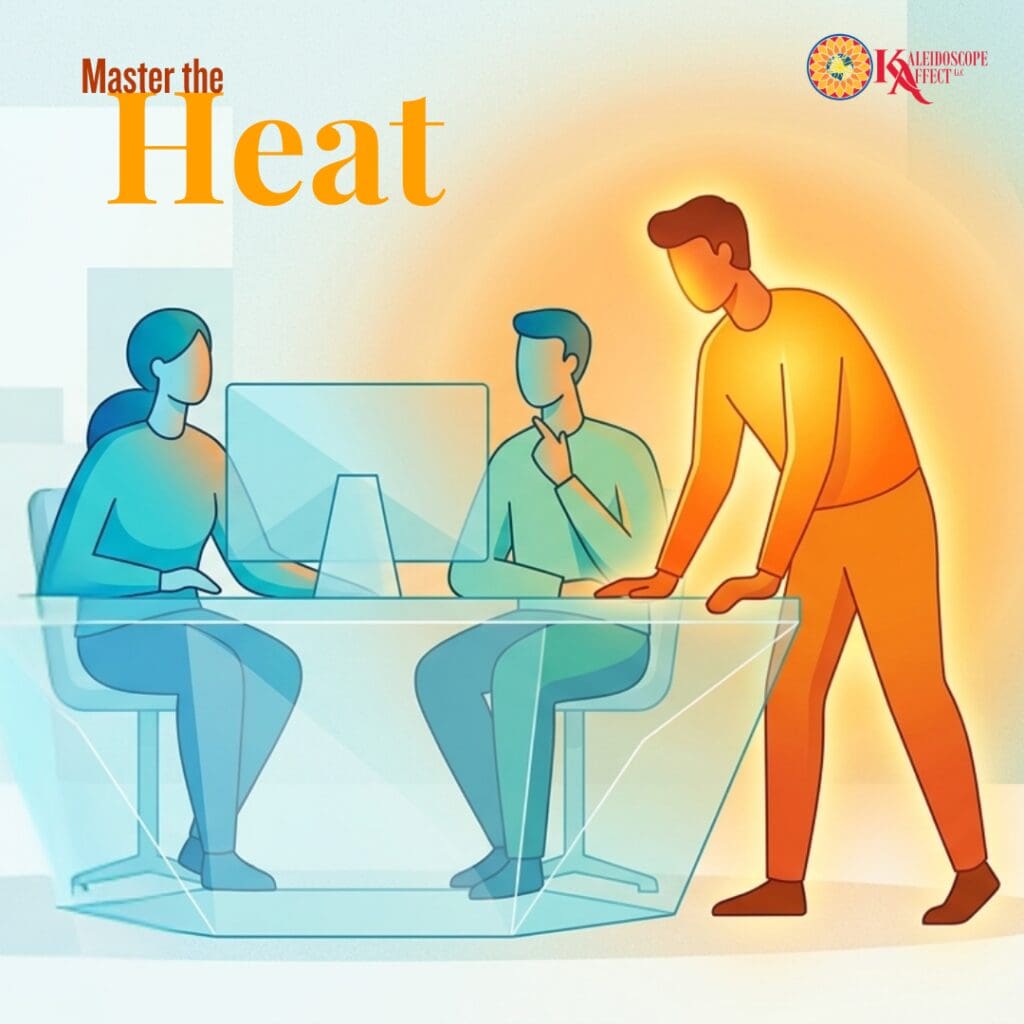
In the modern workplace, we have been taught to fear the heat.
When a project falls behind, we call it a “fire.” When a leader is stressed, we say they are “burning out.” We treat pressure as a sign of failure or a bug in the system. Our immediate instinct is to cool things down, to pivot, or to ignore the rising temperature until it becomes an explosion.
But here is the truth that most leadership models miss: You cannot have transformation without heat.
Lava begins deep underground, where pressure and temperature are at their hightest. Without that intense thermal energy, the rock remains straight. It never moves. It never reshapes the landscape. In The Lava Way™ our first pillar is Heat. It is the awareness of pressure and purpose.
The Crisis of the “Cold” Organization
Before we can master the heat, we have to recognize what happens when a company or facility goes cold. Recent data shows that we are currently in an engagement crisis. According to Gallup’s latest “State of the Global Workplace” report
nearly 77% of employees are not engaged or are actively disengaged at work.
This is what a “cold” organization looks like:
- Apathy is the Norm: People show up, but they don’t lean in. There is no fire behind the work.
- Avoidance is the Strategy: Difficult conversations are bypassed to keep the peace, which only allows resentment to simmer beneath the surface.
- Pressure is Mismanaged: Stress is treated as a personal weakness rather than a systemic signal.
When we ignore the “Heat” in our organizations, we dont’ actually get rid of the pressure. We just drive it underground wehre it turns into a slow, destructive burn that eventually leads to mass exits and broken cultures.
Defining Heat: Awareness as an Asset
In this framework, Heat is the emotional awareness required to recognize the forces shaping your environment. It is the ability to walk into a clinical facility, a warehouse, or a boardroom and “read the room” for not just the data, but for tension, passion, and friction.
Mastering this pillar means moving through three speific stages:
- Identification: Name the Pressure
- You cannot lead what you refuse to name. Many leaders feel a vague sense of unease or “busy-ness” but they cannot pinpoint the source. Recent studies by the American Psychological Association (APA) indicate that work-related stress is at an all-time high, with 71% of workers reporting they feel overwhelmed during the workday.
- The Lava Way™ teaches us to use tools like the Presence Calibration Tool to pause and identify the source of that temperature. Is the heat coming from the lack of resources? Is it a misalignment of values? When you name the pressure, you turn a threat into a data point.
- Calibration: Adjusting the Thermostat
- Not all heat is productive. Too much heat leads to destruction; too little leads to stagnation. A leader’s job is to be the thermostat.
- If your team is paralyzed by the stakes of a new launch or a change in facility management, you need to lower the heat by providing clarity and containment. If the team has grown complacent, you need to raise the heat by reconnecting them to a high-stakes “Why.” This is the art of leadership: knowing when to fuel the fire and when to let it settle.
- Integration: Connecting Pressure to Purpose
- heat is raw energy. When you connect that energy to a clear purpose, it ceases to be stress and begins to be fuel. Think of the most impactful moments in your career. They likely involved high stakes and high pressure. You didn’t succeed despite the pressure; you succeeded because the pressure forced you to innovae, to focus, and to grow.
How Heat Resolves the Workforce Crisis
Why is this the answer for organizations today? Because your teams are tired of being told to “just be resilient.” They want to know that their struggle has meaning.
When an organization masters the Heat pillar:
- Conflict becomes Productive: Instead of fearing friction, teams view it as a sign that something important is being forged.
- Emotional Capital Increases: Leaders recognize the emotional toll of the work. They don’t ignore it; they account for it.
- Clarity Emerges: Pressure melts away the “fluff.” It forces you to look at your core values and ecide what is actually worth fighting for.
The Silent Signals of Leadeship
One of the most powerful tools in this pillar is the Silent Signals Inventory. We often communicate “Heat” without saying a word. A tight jaw in a meeting, a short email, or a missed check-in all send signals to the team.
Lava Leaders take responsibility for their own temperatures. They understand that if they walk into a facility “running hot,” they will ignite everyone else. Mastery of Pillar 1 means having the discipline to process your own pressure before you ask your team to carry theirs.
The Invitation to Lean In
Look at your organization today. Where are you feeling the most pressure right now? Is it in your leadership? Your team? Your personal life?
Instead of trying to “fix” it or cool it down immediately, I want you to sit with it. Ask yourself: What is this pressure trying to tell me? What priority is it exposing? What values are being tested?
The heat is not your enemy. It is the indicator that you are close to a breakthrough. It is the sign that the rock is beginning to melt, and that movement is finally possible.
The new ground cannot be designed in the cold. It requires the fire.
Are you ready to use the heat?